Discover our high-precision architectural and defense-grade steel meshes tailored to meet rigorous Algerian civil and structural standards.
As the largest country in Africa, Algeria stands at a critical geopolitical and structural juncture. The Algerian government's multi-billion-dollar infrastructure initiatives—ranging from the massive Autoroute Est-Ouest expansion, modernization of trans-Saharan networks, to the development of deepwater port facilities like the El Hamdania Port—demand heavy civil engineering components that can withstand extreme environments. Fencing systems, high-tensile wire meshes, and modular protective gabions represent the baseline infrastructure needed to defend these state investments.
"In North Africa's rugged topography, structural integrity is not merely a design variable; it is the ultimate measure of project viability. Dynamic soil structures, sandstorms, and thermal cycles exceeding 50°C demand unparalleled metallurgical engineering."
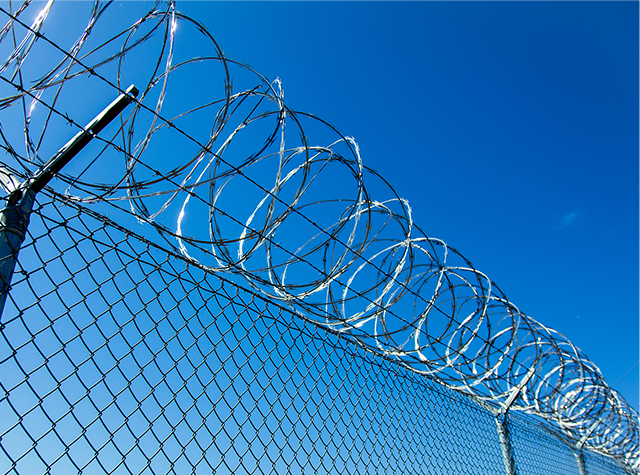
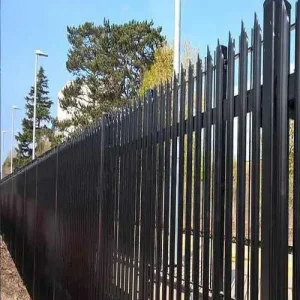
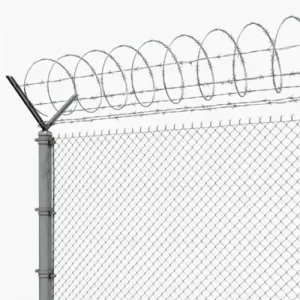
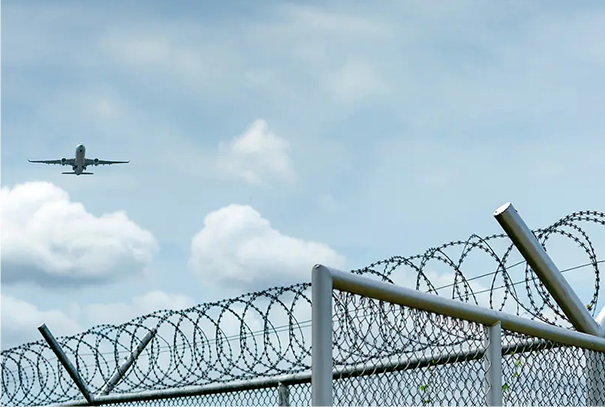
Algerian regions face diverse geographic threats: coastal cities undergo severe marine corrosion from highly saline sea winds, while mountainous regions like the Atlas range require continuous stabilization grids to prevent rockfalls along essential rail and highway transit corridors. Further south, the vast Saharan oil and gas fields of Hassi Messaoud and Hassi R'Mel call for severe perimeter security systems (such as high-security 358 anti-climb fences and heavy-duty concertina wire) to prevent unauthorized encroachment and defend critical power generation installations.
Historically, Algerian infrastructure projects relied heavily on low-grade, untreated structural components, leading to rapid oxide failures (rusting) and structural collapses under thermal stresses. Today, rigorous regulatory environments governed by the Caisse Nationale d'Équipement pour le Développement (CNED) mandate high-durability, CE-certified materials. Steel products must feature specialized protective barriers such as hot-dip galvanization meeting EN ISO 1461 standards, or advanced polymer coatings resistant to UV degradation and extreme desert heat.
Delivering certified structural reliability, dynamic product customization, and advanced high-security hardware globally.

Complete custom design blueprints, wire diameters, aperture sizing, and coating matrices mapped precisely to your site-specific civil plans.

Unmatched cost advantages, robust raw material supply chains, guaranteed production speed, and real-time manufacturing tracking dashboards.

Comprehensive regulatory alignment. Our steel fabrication lines undergo strict quality audits, ensuring compliance with global CE, EN, and ASTM codes.

Complete shipping logistics to Port of Algiers, Oran, or Bejaia, accompanied by step-by-step structural installation manuals and layout consultancies.
The global wire mesh and defensive barrier manufacturing sector is undergoing a profound chemical and metallurgical revolution. Traditional hot-dip galvanization is increasingly being supplemented or replaced by advanced alloy compositions designed to prolong the service life of steel structures by up to 300%. Foremost among these is Galfan coating (a eutectic alloy composed of 95% zinc and 5% aluminum, with trace additions of rare-earth elements). Galfan's microcrystalline structure offers superior sacrificial corrosion protection, particularly when exposed to acidic soils, industrial atmospheres, and coastal salt-water sprays.
Furthermore, the integration of advanced polymers has set a new paradigm for environmental protection. Fluidized-bed PVC coatings and thermosetting polyester powder coatings provide an impervious barrier to atmospheric moisture, industrial pollutants, and ultraviolet radiation. This layer prevents micro-crack propagation in the underlying steel core, maintaining the high-tensile strength of the fence panel even after decades of continuous outdoor exposure.
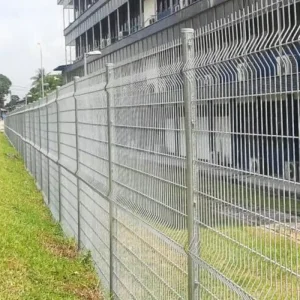
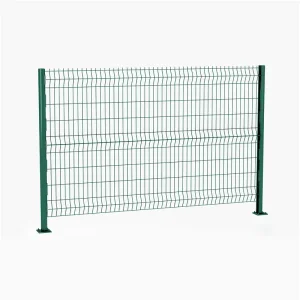
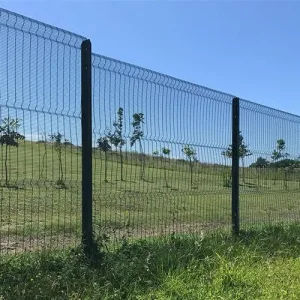
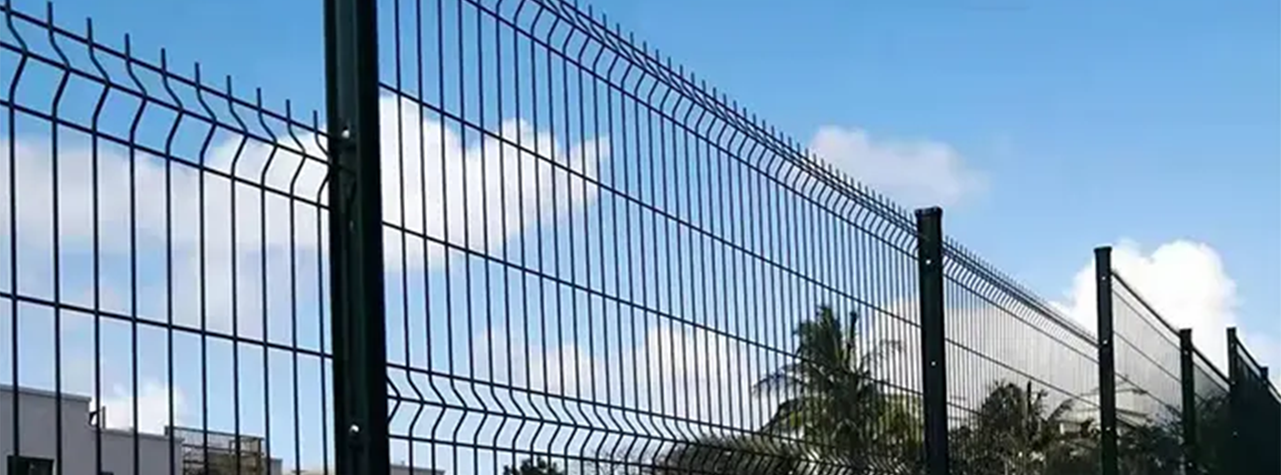
Modern architectural and security applications are no longer restricted to traditional orthogonal meshes. Advanced spatial geometries, such as the 3D-welded V-fold curved panels, offer enhanced moment-of-inertia characteristics. By introducing precise triangular bends along the height of the fence panel, engineers can achieve equivalent structural rigidity to flat panels while utilizing lower wire diameters, resulting in significant savings on material and transportation costs.
For extreme security zones, the global standard has converged on the **358 High-Security Mesh** (3" x 0.5" x 8-gauge). The highly dense mesh aperture (76.2mm x 12.7mm) makes it physically impossible for potential intruders to gain finger- or toe-holds for climbing, and presents a highly formidable barrier against conventional cutting tools like bolt cutters and hacksaws. This geometric design provides unparalleled protection for critical physical infrastructures globally, from high-security prisons to transport terminals.
Explore our diversified range of metallurgical products designed for civil infrastructure, security barriers, and environmental containment projects.
Implementing wire mesh and defensive barrier systems across Algeria requires a detailed understanding of the regional geographical and geological conditions. The nation is divided into three distinct zones, each demanding a unique structural and material approach:
In these major industrial centers, atmospheric salinity presents an ongoing corrosion threat to metallic structures. Standard galvanization can be depleted in a matter of years under constant salt-spray exposure. To combat this, our engineering protocols require using heavy Galfan-coated steel panels combined with a secondary thermosetting polymer coating. This **dual-barrier protection** ensures a functional service life exceeding 25 years in harsh seaside environments.
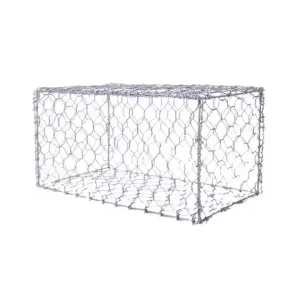
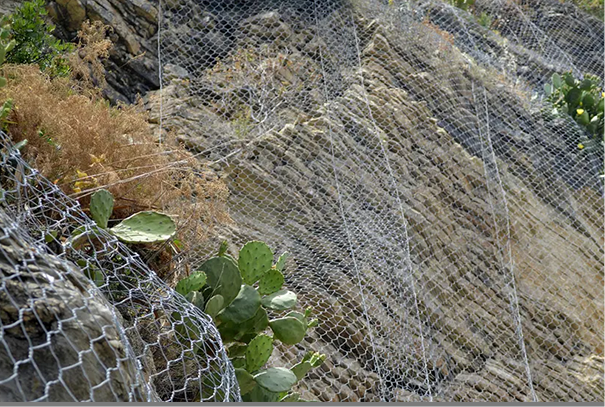
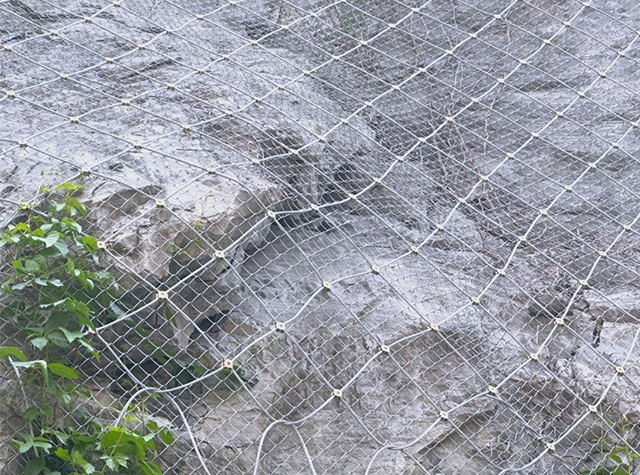
Mountainous transport infrastructure is highly vulnerable to rockfalls and slope instabilities, especially during wet seasons. Our **high-tensile active protection nets** and heavy rockfall barriers provide robust surface stabilization. These steel meshes are secured with deep rock anchors, distributing gravitational forces across the slope and preventing minor geological shifts from escalating into catastrophic road blockages or structural collapses.
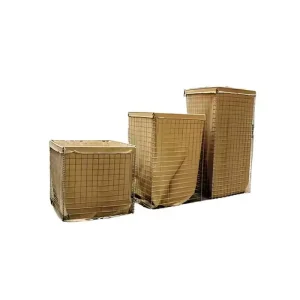
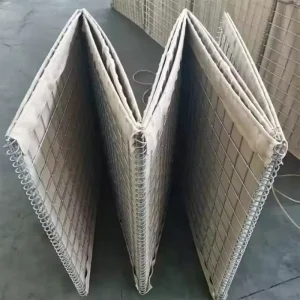
Inland industrial areas face high winds, sand abrasion, and massive thermal swings between day and night. Materials must be designed to withstand severe thermal expansion and contraction without cracking their protective coatings. For these regions, we supply high-tensile welded wire meshes featuring flexible polymer layers that accommodate heat variations, while our modular military bastions filled with local desert sand provide cost-effective and rapid security fortifications.
From initial design blueprinting to reliable port-side delivery, we ensure seamless global execution for complex infrastructure projects.

Submit your specific project sizing, tensile strengths, mesh apertures, and local climate parameters to our team.


Our structural engineering division reviews your plans, optimizing material choice to match local regulations.

We fabricate high-fidelity physical product samples, supplying independent metallurgical certificates for review.

We initiate automated high-speed wire drawing, welding, and surface treatment under strict ISO 9001 standards.

We manage reliable shipping and customs clearance, delivering materials directly to the target port in Algeria.
Integrated applications addressing soil erosion, public infrastructure safety, and geological risk mitigation.
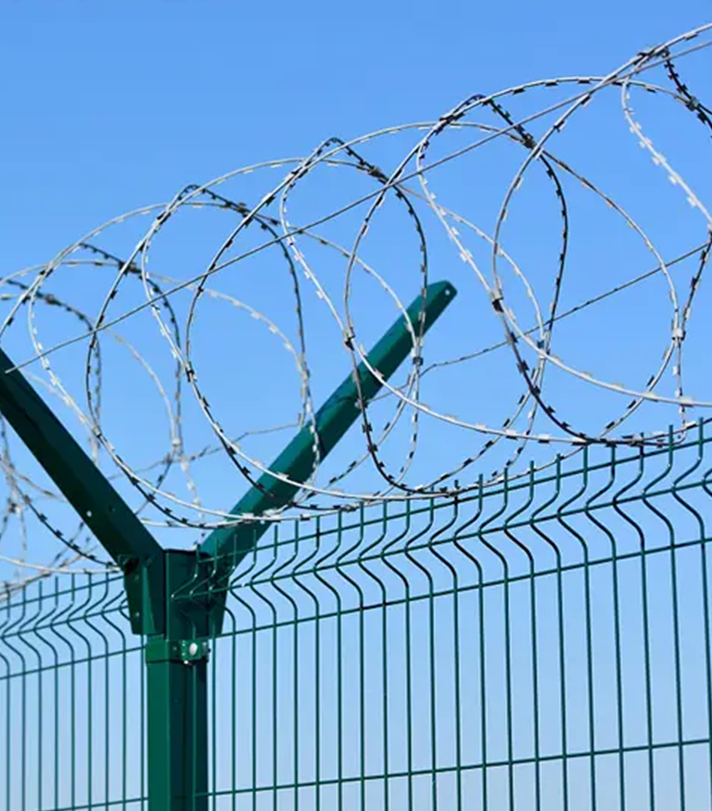
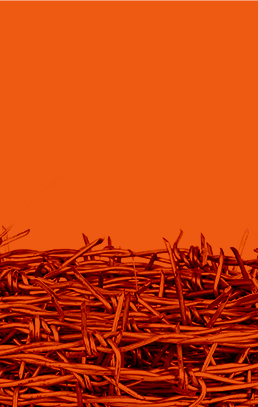
The protective fencing and structural wire mesh industry is rapidly evolving towards smarter, integrated, and more sustainable systems. The incorporation of real-time monitoring sensors directly into steel barriers represents a major technological advance. These "smart fences" utilize built-in fiber-optic sensors or localized piezoelectric sensors to detect micro-vibrations, impacts, and mechanical cutting attempts. This data is transmitted back to security centers, providing instantaneous situational awareness for critical borders, oil and gas facilities, and military installations.
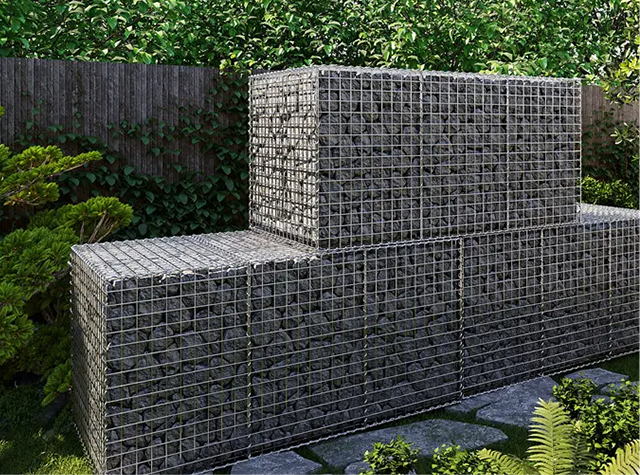
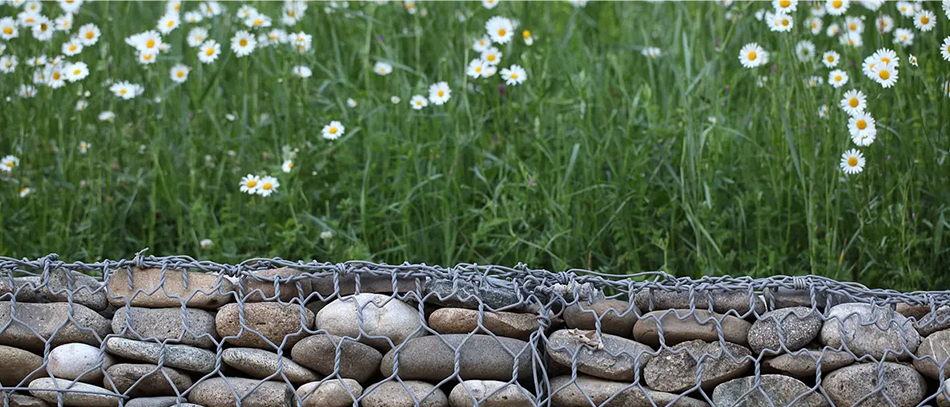
Moreover, modern engineering increasingly demands a life-cycle approach to structural materials. The transition from heavy zinc coatings to sustainable zinc-aluminum formulations reduces environmental run-off while providing extended protection. Additionally, bio-compatible gabions are now engineered to allow soil and plant integration along riverbanks, enabling robust erosion control structures that blend seamlessly with the surrounding ecology.
"The future of infrastructure defense lies in the synergy between metallurgy and digital sensor integration. We are transitioning from passive barrier structures to active, self-monitoring protective systems."
As international standards align with strict ecological and quality certifications, manufacturers must continuously invest in green production methods. Sichuan Lanfan is committed to carbon-efficient manufacturing, reducing emissions across our hot-dip lines, and offering products that meet both high structural expectations and the environmental standards required for modern global infrastructure development.
Explore our comprehensive industrial catalog, designed to meet the technical standards of Algerian infrastructure projects.
Gain technical insights into metallurgy, mechanical properties, and professional field installation practices.
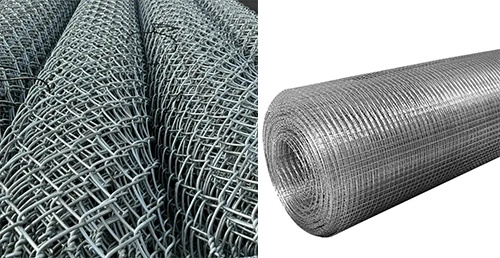
Explore the mechanical behavioral differences under load, structural deformation thresholds, and the application environments best suited for each system.
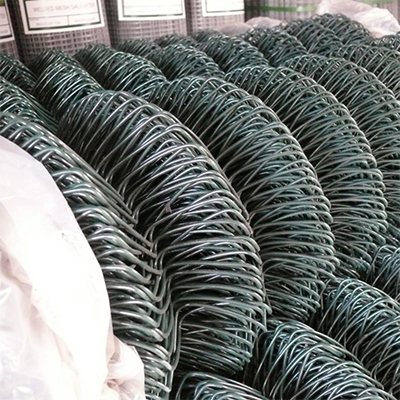
Learn about structural steel lifespan calculations under highly saline, humid coastal conditions and aggressive soil conditions in the North African region.
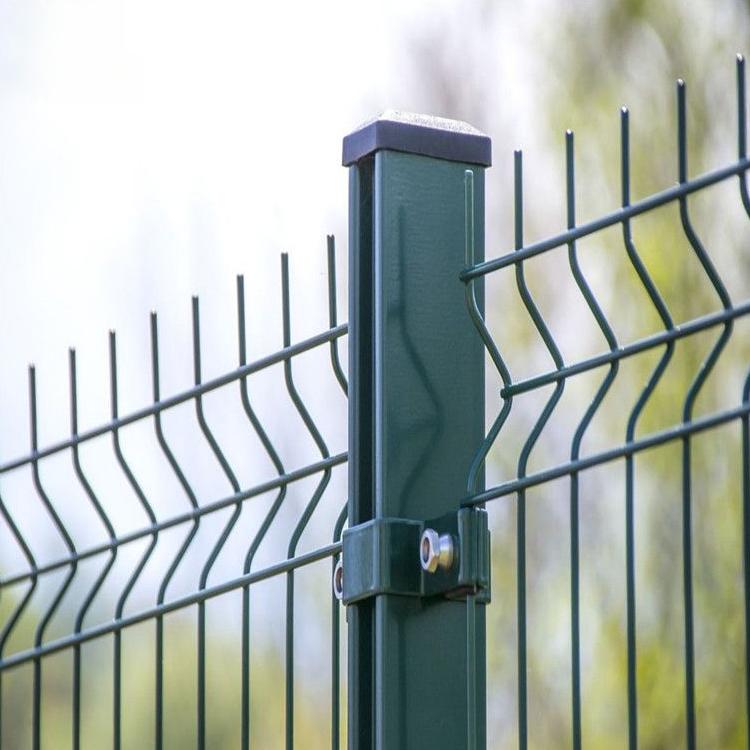
Read our step-by-step procedural guide for site leveling, structural post embedding, tensioning parameters, and securely anchoring systems in unstable sand structures.
Comprehensive answers to key structural, financial, and logistical questions regarding project execution in Algeria.
Submit your exact structural project parameters, and our engineering specialists will provide a detailed cost estimation and material blueprint within 24 hours.
 LAN FAN