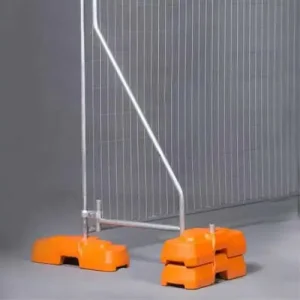
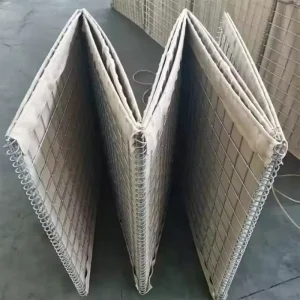
Engineered to withstand the demanding environmental and mechanical conditions of the Australian mining, construction, and civil infrastructure sectors.
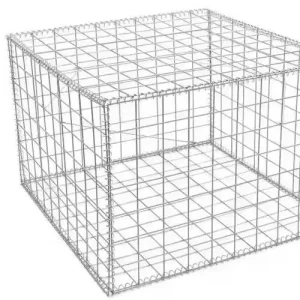
A deep technical study on material optimization, corrosion resilience, and compliance for extreme environments.
Australia presents some of the most challenging environmental conditions for perimeter safety and earth retention infrastructure in the world. Ranging from highly corrosive coastal saltwater zones (C5-M marine environments as defined by ISO 9223) along the Brisbane, Sydney, and Melbourne ports, to the intense UV exposure and extreme mechanical stresses of the Pilbara mining operations in Western Australia, standard protective barriers often suffer from rapid deterioration. This compromises structural integrity and increases lifetime operation costs.
For civil engineering and retaining structures, the choice of materials determines structural stability and corrosion resistance over a designated 50-to-120-year service life. Standard hot-dip galvanized wire meshes, although cost-efficient, can degrade under constant exposure to saline atmospheres, acidic mine tailings, or harsh desert heat cycles. Our specialized Galfan coatings—consisting of 95% high-grade zinc and 5% aluminum-mischmetal alloy—deliver more than double the atmospheric corrosion protection of traditional galvanized wire, keeping assets protected for decades.
Engineering compliance is non-negotiable for commercial infrastructure within Australia. Our product series conforms strictly to key local and international quality standards, giving structural engineers and project developers absolute assurance:
| Coating Type | Chemical Composition | Corrosion Resistance (Salt Spray Test) | Typical Lifetime (C3 Environment) | Recommended Applications |
|---|---|---|---|---|
| Standard Hot-Dip Galv | 99.9% Pure Zinc | ~500 Hours to 5% Red Rust | 15 - 20 Years | General fencing, dry inland boundary protection |
| Galfan (Zn-Al) | 95% Zinc + 5% Al + Mischmetal | ~1,500 Hours to 5% Red Rust | 50+ Years | Coastal retaining walls, mining pits, high-saline soils |
| Dual Protection (Galfan + PVC) | Alloy Core + Organic Polymer Shield | >3,000 Hours to 5% Red Rust | 75+ Years | Submerged marine works, high-security chemical zones |
Global demand for premium structural fencing and modular retaining systems is driven by urban renewal, transport network expansions, and increased extreme weather events that require rapid flood defense solutions. High-security airport fencing (incorporating anti-climb 358 meshes) and slope protection barrier systems are no longer standard boundaries; they are vital components of national defense and infrastructure resilience programs. Keeping production in-house and optimizing global logistics channels allows us to meet this demand with fast lead times and competitive factory-direct pricing.
Why structural engineers and procurement agencies partner with us for critical infrastructure protection.

Tailored structural configurations, customized mesh opening designs, and optimized physical properties to meet demanding site-specific requirements.

Eliminate middleman markups. Direct supply chains provide maximum cost advantages, verified raw materials, and highly responsive order processing.

Engineered under a strict ISO 9001:2015 quality management system. The entire boundary fencing and gabion product range is CE-certified.

From initial design consultations and shop drawing reviews to site installation advice, we assist you through every phase of your project.
Quickly locate the precise civil, mining, or agricultural wire systems for your project.
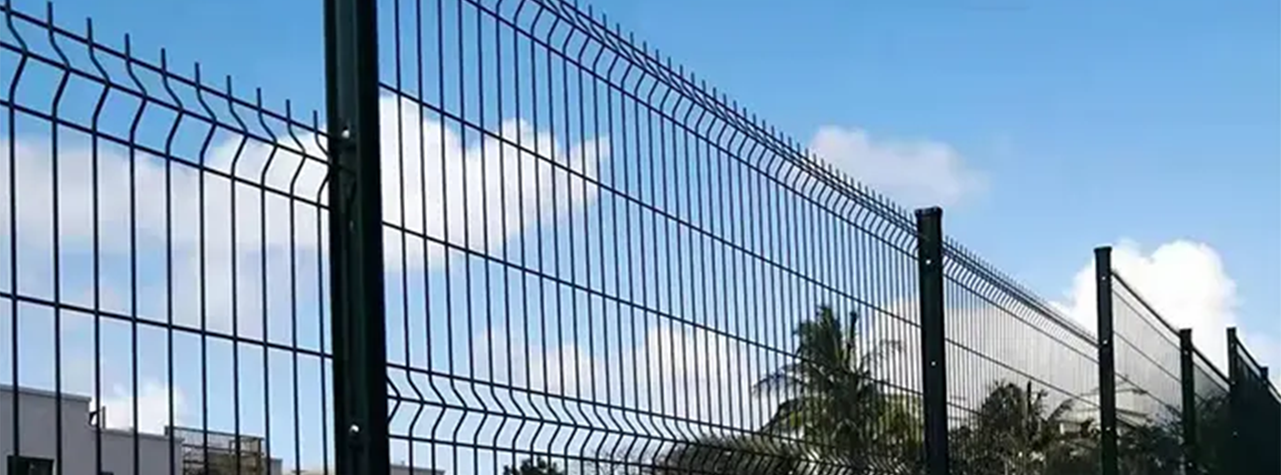
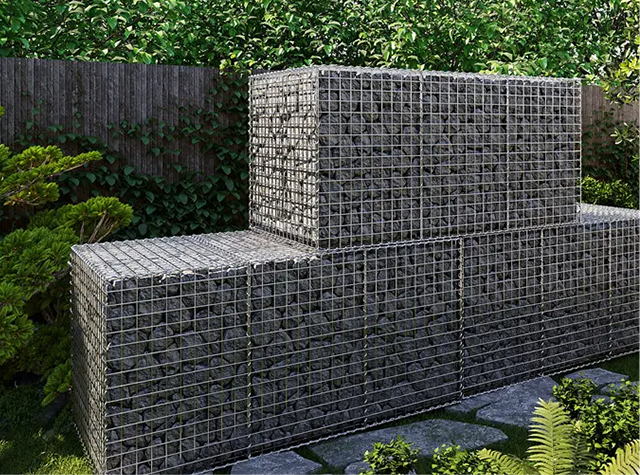
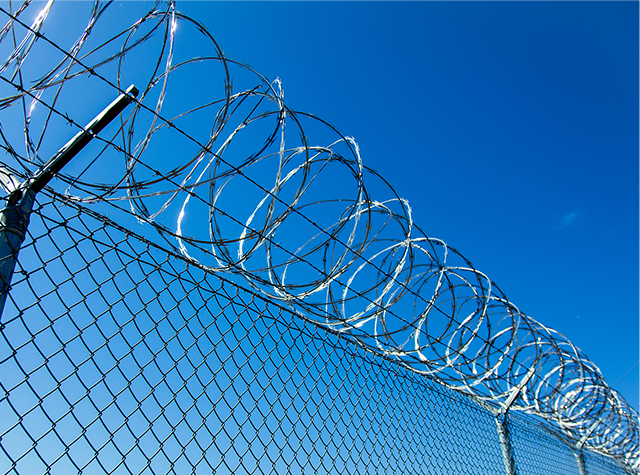
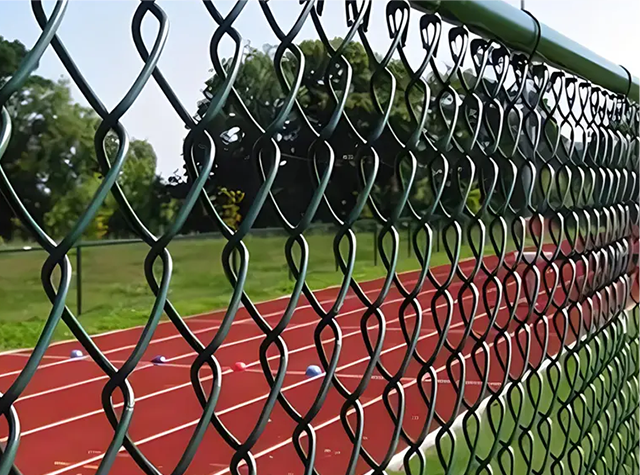
Our streamlined industrial supply chain guarantees smooth processing, strict quality control, and secure delivery to your site.

Send your drawings, required wire diameters, coatings, and mesh specifications.

Our technical team reviews site requirements and recommends the ideal material properties.

We supply physical samples or detailed laboratory tests to verify standards compliance.

Automated mesh welding, weaving, and coating lines fabricate your order to tolerance.

Secure structural packaging, customized sea freight coordination, and customs clearance assistance.
Speak directly with our technical sales division. We supply customized shop drawings, compliance documentation, and factory-direct price estimates within 24 hours.
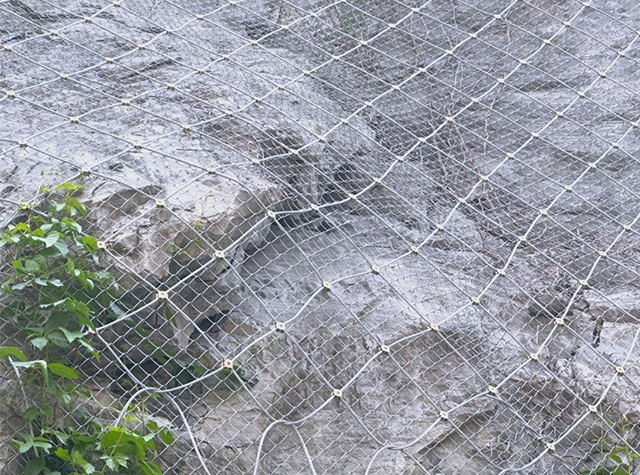
Australia’s transport networks, particularly mountain rail corridors in New South Wales and highways in coastal Victoria, are prone to rockfalls and slope failure. Our high-tensile wire meshes and active stabilization nets provide crucial containment layers. Installed as active draped systems or anchored wire networks, they stabilize loose rocky outcrops and protect transit routes, lowering public safety hazards and infrastructure down-times.
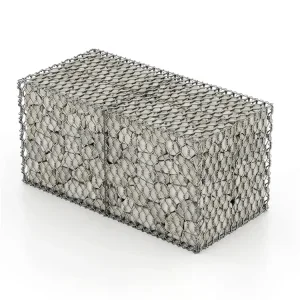
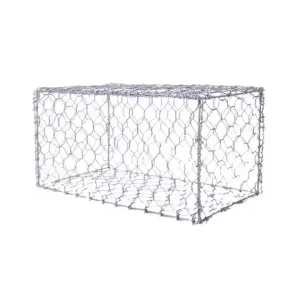
With seasonal high-rainfall events and severe storms affecting coastal Queensland and New South Wales, effective water velocity control is essential. Double-twisted hexagonal gabion baskets offer a highly porous, flexible, and structurally sound solution for river channel stabilization, culvert outfall heads, and seawall protection. Unlike rigid concrete retaining structures, our gabion systems accommodate minor earth movements, support natural vegetation growth, and reduce hydraulic impact over decades of service.
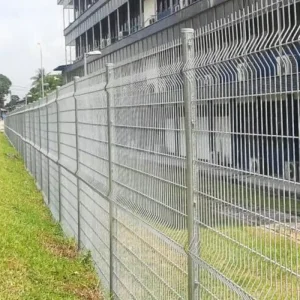
Western Australia’s iron ore, gold, and nickel mining assets require high-tensile containment cages, robust industrial partitioning, and high-security perimeter boundaries. The use of heavy-duty 4.0mm to 5.0mm welded wire panels, hot-dip galvanized and powder coated, ensures tailings dams and operational boundaries are protected against heavy mechanical impacts and harsh desert UV rays. These boundary solutions resist corrosion and mechanical stress, protecting staff and critical mining equipment.
Our engineering roadmap emphasizes sustainability, structural longevity, and product intelligence. We are continuously improving our manufacturing processes to meet changing environmental demands:
Detailed technical answers to key questions from civil engineers, project procurement leads, and commercial estimators.
A: Galfan (composed of 95% Zinc and 5% Aluminum-Mischmetal) offers superior protection over standard hot-dip galvanization in highly corrosive environments. Under salt spray tests, Galfan wire exhibits up to three times the corrosion resistance of zinc-coated steel. The addition of aluminum creates a microscopic passivation layer that heals minor scratches or mechanical damage, ensuring long-term structural integrity.
A: Yes. Our wire mesh and boundary security products are designed, manufactured, and tested to conform to AS/NZS 4534:2006 (Zinc and zinc/aluminum coatings), AS 2423-2002 (Coated steel wire fencing products for terrestrial, aquatic and general use), and AS/NZS 4680:2006 (Hot-dip galvanized coatings on fabricated ferrous articles).
A: Absolutely. Our advanced manufacturing facility operates highly flexible, automated production lines. We can customize wire diameters from 2.0mm to 6.0mm, adapt mesh apertures (e.g., 50x50mm, 75x75mm, 100x100mm, or specialized anti-climb layouts), and apply specific polyester powder coatings matching your project's color scheme.
A: Standard customized orders take 15 to 25 days for factory fabrication, depending on order size and custom parameters. Our close proximity to major deep-water ports allows for fast, efficient container shipping and reliable sea freight scheduling directly to major Australian ports.
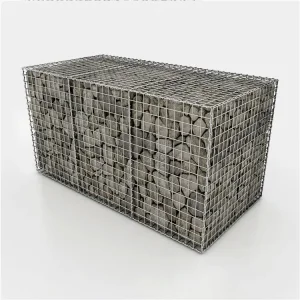
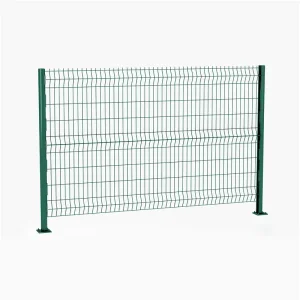
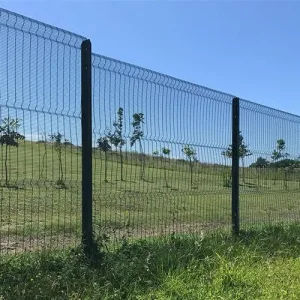
A: Yes. We maintain ready stocks of standard-sized 3D curved mesh panels, 358 high-security panels, and regular sizes of welded and double-twisted hexagonal gabion baskets for rapid response to critical infrastructure projects, flood defense situations, or emergency road repairs.
A: Every production batch is subject to rigorous testing. Our in-house QC laboratory checks chemical composition, performs tensile testing, measures coating thicknesses, and conducts salt spray tests. We supply complete test certificates (Mill Test Certificates) and third-party inspection reports (e.g., SGS) with every shipment.
Expert technical analyses to guide material specification and installation on site.
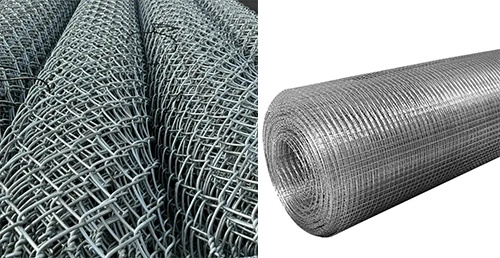
Understanding the mechanical differences between woven and welded wire structures is key to choosing the correct mesh. While woven structures offer flexibility and adapt to uneven ground conditions, welded meshes provide high shear resistance and dimensional stability under load.
Read White Paper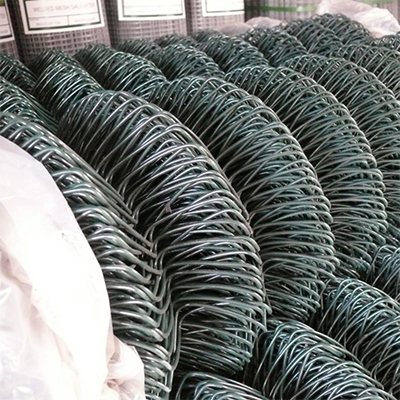
A detailed technical review analyzing atmospheric salinity decay curves, sacrificial zinc protection mechanisms, and the performance advantages of Galfan and polymer coatings in high-salt maritime environments.
Read White Paper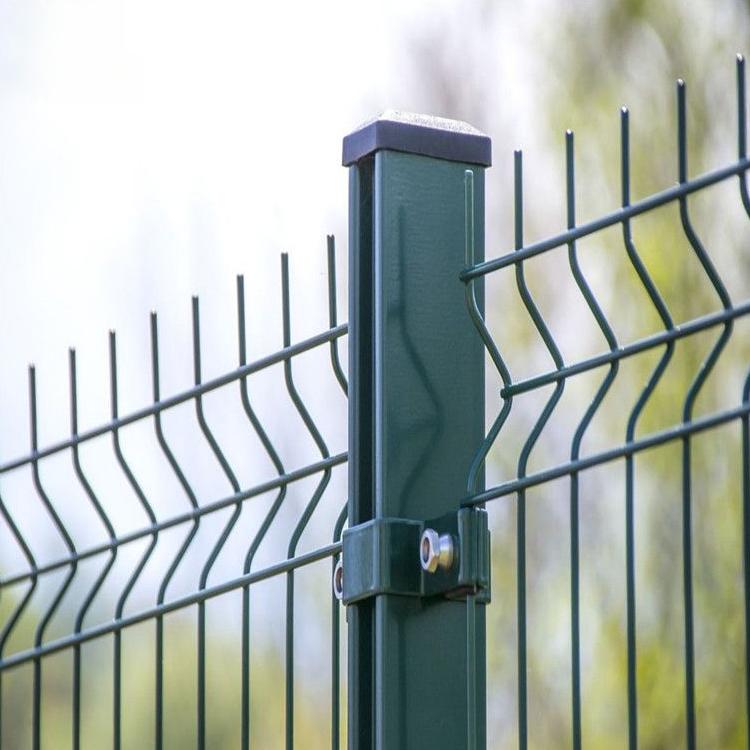
A practical, step-by-step engineering guide for installing 3D curved and anti-climb welded security panels. Covers post foundation calculations, corner post stabilization, and correct tensioning methods.
Read White PaperHigh-quality engineering-grade solutions with factory-direct supply, tailored for the Australian market.
 LAN FAN