High-specification structural mesh and barrier systems adapted for Victorian civil compliance, coastal marine environments, and architectural longevity.
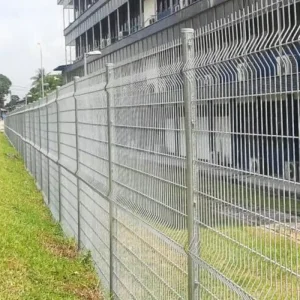
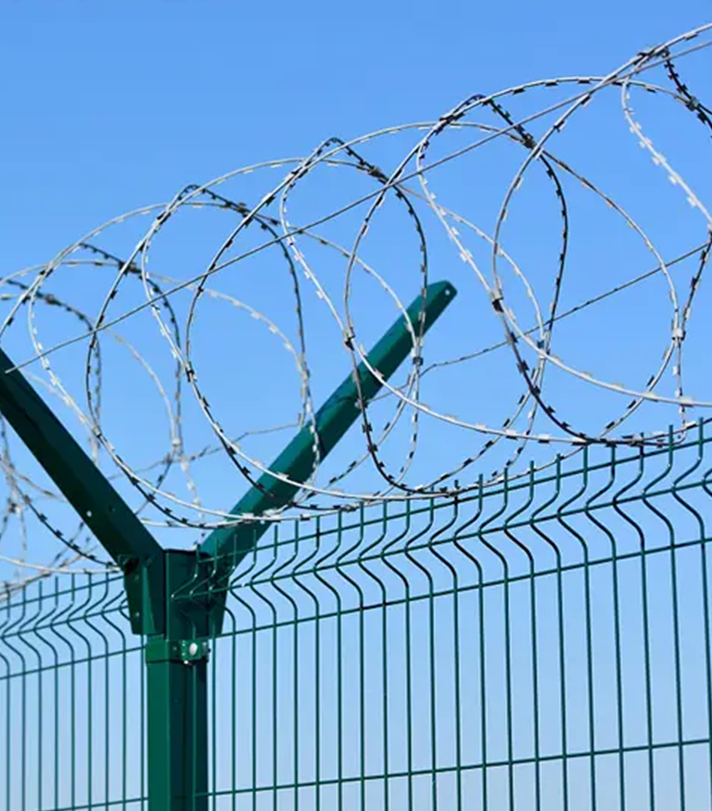
Stiffened high-durability security fencing designed for public infrastructure corridors.
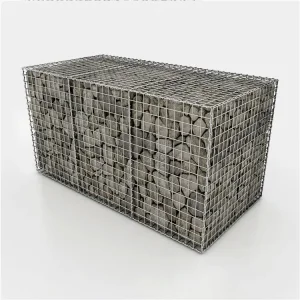
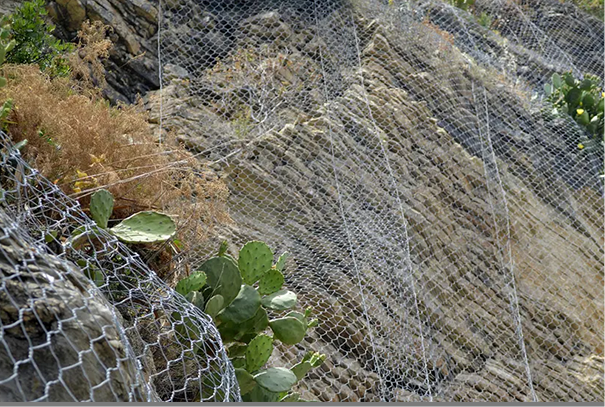
Robust earth-retention cages with superior galvanic protection for civil works.
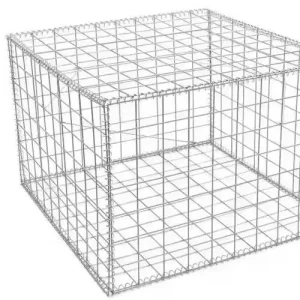
Heavy zinc-aluminum alloy protective meshes optimized for coastal erosion control.
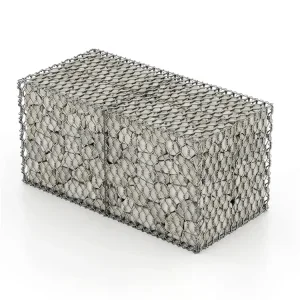
Double-twisted woven wire mesh structures engineered for high structural flexibility.
Melbourne and the wider Victorian market are undergoing an unprecedented phase of transport, commercial, and industrial redevelopment. The "Victoria's Big Build" initiative, combined with rapid suburban industrial expansion in corridors like the western and outer-southeastern industrial precincts (Dandenong, Truganina, and Altona), has catalyzed a dramatic shift in municipal safety, retention engineering, and environmental stewardship requirements.
In coastal and highly dynamic marine settings like Port Phillip Bay and the Mornington Peninsula, structural projects demand specialized civil engineering materials that can survive constant exposure to high salinity and shifting sub-strata. Local structural and geotechnical engineers have moved away from conventional short-lifecycle plastics and thin-gauged wires toward heavy-duty, certified anti-corrosive materials. This paradigm shift requires imported containment and barrier solutions to comply strictly with Australian Standards (AS/NZS 4534, AS/NZS 4680, and AS 1725).
Enterprise procurement teams face double-edged challenges in modern procurement: balancing direct-to-factory cost efficiencies with ironclad regulatory compliance and prompt logistics. When souring containment and security meshes globally, risk mitigation is paramount. Modern supply chains demand manufacturers who boast not only automated high-throughput production lines but also fully traceable metallurgical testing regimes.
For infrastructure projects in Melbourne, direct factory engagement with Sichuan Lanfan Traffic Facilities Co., Ltd. resolves the classic intermediary markup while securing raw material traceability certificates (MTRs), verified weld strength metrics, and accredited hot-dip galvanizing test logs.
Unlocking procurement predictability through comprehensive design capabilities, raw material control, and end-to-end logistics assurance.

Providing custom physical properties, structural tolerances, and custom coating configurations tailored to specific geographical requirements.

Substantial cost optimization with optimized containerized packaging structures direct from our heavily automated ISO certified facility.

Strict quality assurance protocols under ISO 9001:2000 management. All products carry full European CE compliance certifications.

Dedicated freight partnerships delivering flat-pack containers straight to Melbourne ports with full customs clearing alignment support.
Architectural and structural solutions configured for high-stress civilian applications and intensive commercial development zones.
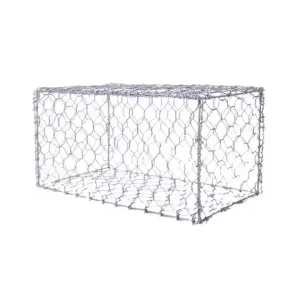
Aesthetic and structurally sound welded mesh retaining units for modern urban landscapes.
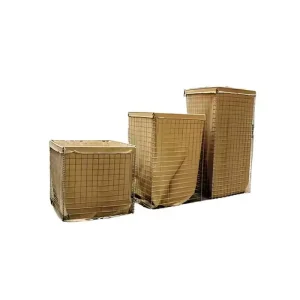
Precision-engineered structural mesh panels with superior square-aperture spacing.
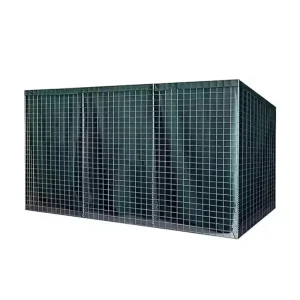
Military-grade geo-textile lined rapid-deployment wall cells for perimeter protection.
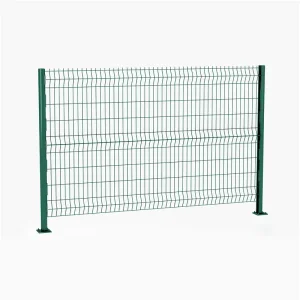
Visually pleasing high-rigidity fencing system utilizing V-bend structural ribs.
Within Victoria’s highly diverse topographic zones—from steep, rocky cutting tracks along the Great Ocean Road to sprawling coastal developments along Port Phillip—soil erosion and slope slippage pose substantial engineering liabilities.
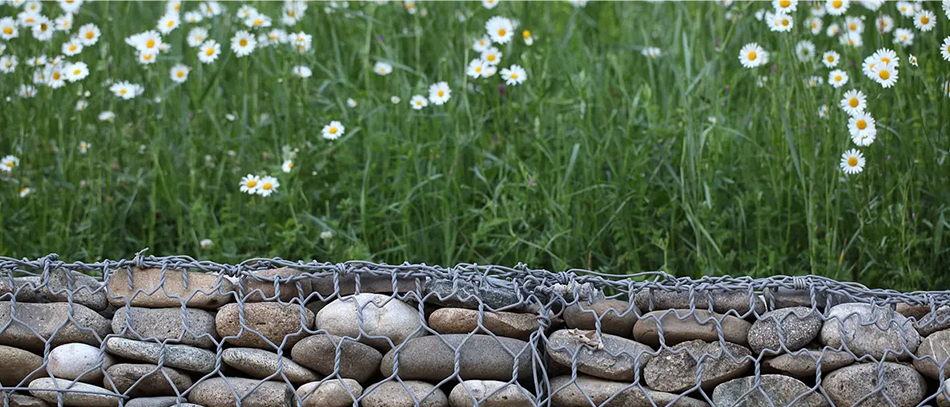
Welded and woven hexagonal gabion systems act as porous, flexible retaining walls that accommodate differential settlement while allowing natural hydrological drainage. The internal hydrostatic pressures are dramatically mitigated compared to solid poured-concrete retaining walls, which are highly susceptible to shifting clay foundations typical of eastern Melbourne suburbs.
Commercial logistics centers and transit hubs demand robust physical barriers to mitigate structural trespassing, vehicle intrusion, and asset damage. Fencing panels utilizing 3D V-bends (Triangular Bent meshes) or high-density 358 profile configurations (3” x 0.5” x 8-gauge aperture matrix) present a powerful deterrent.
These security meshes resist standard bolt-cutter bypass attempts and prevent handholds, keeping facility perimeters structurally secure and visual fields clear for physical security personnel and closed-circuit digital tracking.
Urban civil engineering projects within high-population densities like the Melbourne Central Business District (CBD) require swift, structurally stable, and modular crowd containment. Hot-dipped galvanized flat-foot crowd control barriers allow rapid, tool-free locking configurations that secure work zones and direct pedestrian flows around excavations, preserving public safety and reducing contractor liability.
A streamlined five-step manufacturing framework designed to guide structural concepts from initial draft to dockside Melbourne delivery.

Submission of technical specifications, gauge sizes, and tensile criteria.

Engineering assessment of structural drawings and coating requirements.

Precision physical sampling and laboratory metallurgical performance testing.

Continuous multi-head welding, hot dipping, and strict line QC checks.

Secure bundling, custom loading layouts, and direct sea shipping.
Essential reading for engineering professionals, specifiers, and asset managers overseeing durable civil barrier works.
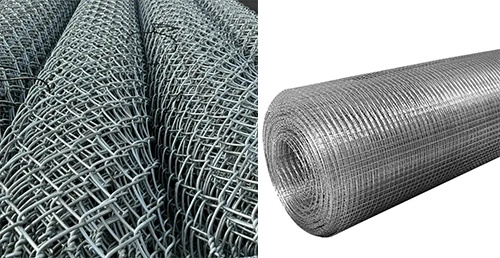
An analytical breakdown exploring structural flexibility under dynamic geological loading versus the high rigid flat plane of structural welded mesh panels.
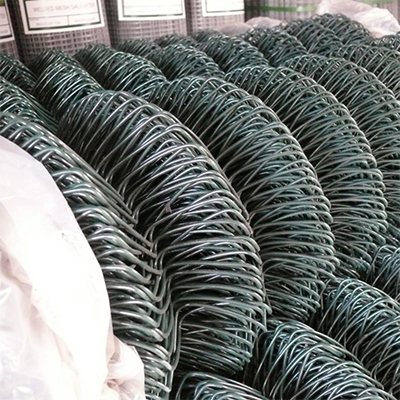
Corrosion rate calculations under standard ASTM atmospheric classifications, detailing survival curves in marine zones and industrial estates.
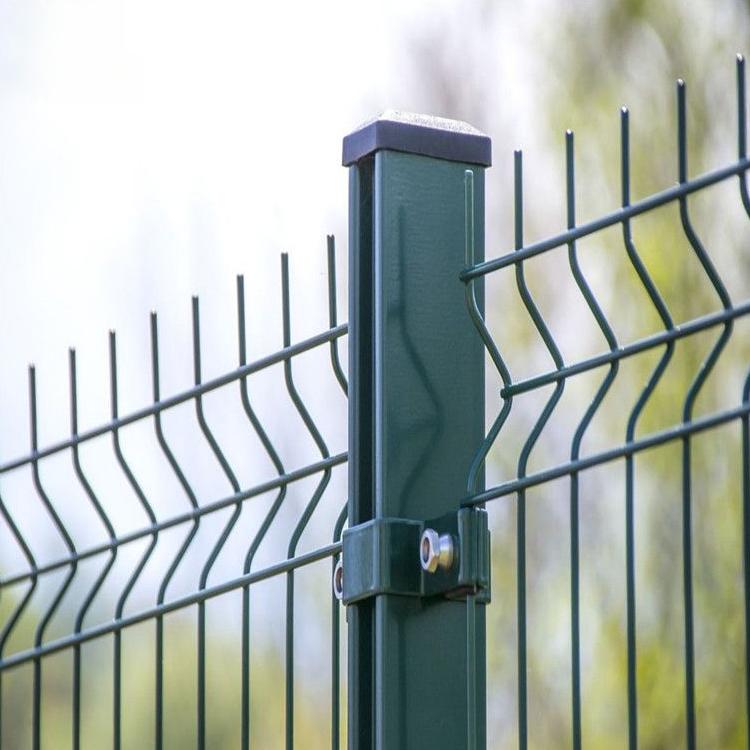
Professional, field-tested methodologies for establishing post alignments, bracing corner assemblies, and validating structural load ratings.
To guarantee performance in Melbourne's challenging climate—which varies from extreme summer heatwaves to direct southern oceanic winds—material science is central to our engineering roadmap. Our manufacturing processes focus on three core areas:
We implement automated batch immersion processes yielding zinc coatings well above the minimum threshold specified in AS/NZS 4680. Typical zinc deposition thicknesses reach 85–100 μm, creating a robust, metallurgically bonded layer of zinc-iron alloys that self-sacrifices over decades to maintain the core steel's structural integrity.
For extreme coastal and environmental protection applications, we utilize advanced steel wires coated with a highly specialized alloy of 90% Zinc and 10% Aluminum. This composite forms an exceptionally dense protective passivation skin that resists chloride penetration up to 3 to 4 times longer than pure zinc galvanization in saline coastal trials.
For projects requiring both aesthetic compliance and robust protection, we offer double-layer (Duplex) coatings. The hot-dipped metallic structure undergoes chemical pre-treatment (chromate-free conversion) followed by an electrostatically applied layer of UV-stabilized thermosetting polyester powder or high-molecular-weight PVC coating. This forms a dual barrier: the polymer protects against mechanical abrasion and UV breakdown, while the underlying zinc prevents rust creep if the surface is gouged.
Comprehensive catalog of high-specification agricultural, architectural, and security mesh systems engineered for global supply chains.
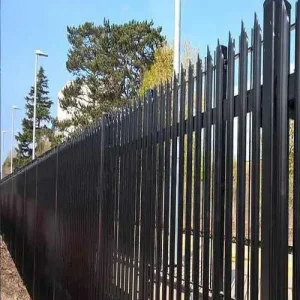
High-security vertical steel pale fences offering formidable anti-scale protection.
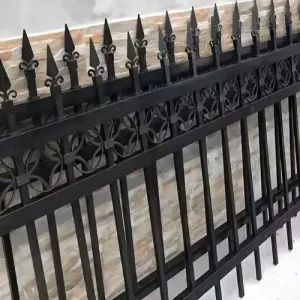
Architecturally designed streetscape gates combining security with visual appeal.
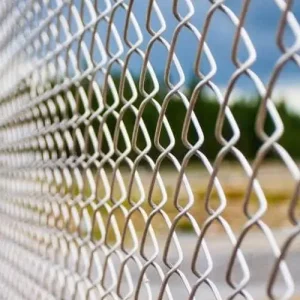
Heavy-gauge traditional woven security chain-link fencing for industrial zones.
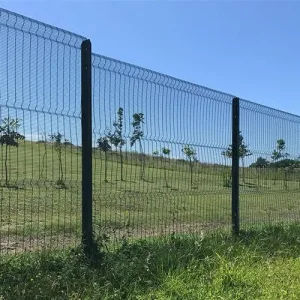
Ultra-dense mesh configuration providing maximum delay time against forced tools.
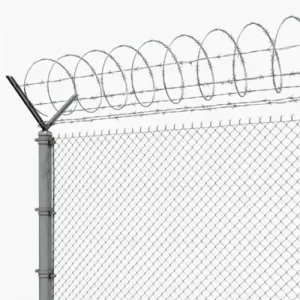
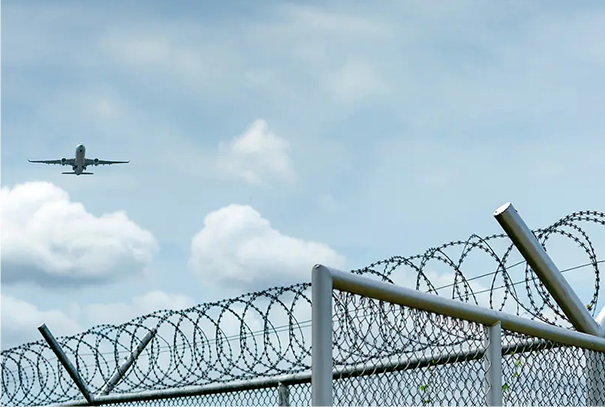
Aviation-grade security fencing system equipped with V-shaped post extensions.
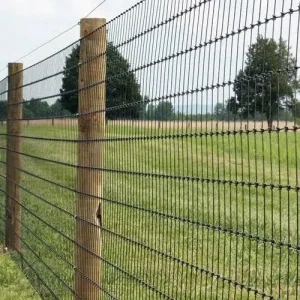
Flexible hinge-joint and ring-lock agricultural boundary barrier systems.
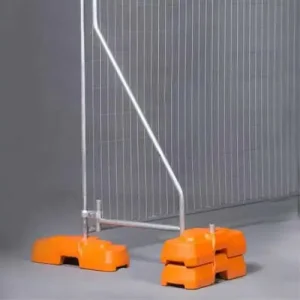
Interlocking steel pedestrian road barriers featuring low-profile stable feet.
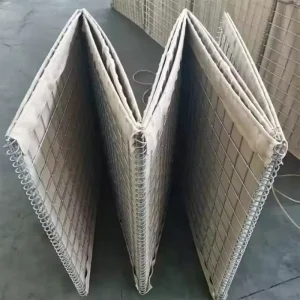
Advanced multi-spot structural welding for structural earth protection walls.
Select case studies and structural execution configurations mapped to geotechnical, security, and civilian needs.
Civil engineering projects in Australia require rigorous structural assurance. Sichuan Lanfan Traffic Facilities Co., Ltd. ensures that its entire export range meets the physical standards mandated by local civil inspectors and structural architects:
By procuring directly from an ISO 9001 certified plant, corporate buyers receive comprehensive manufacturer compliance dossiers, alleviating delays during council inspections and third-party QA certifications.
Answering high-intent questions relating to logistics, material selection, custom fabrication, and structural certifications.
We accept Telegraphic Transfer (T/T), Letters of Credit (L/C) at sight, Documents Against Payment (D/P), and Alibaba Trade Assurance. Standard payment structures for international orders begin with a 30% advance deposit, with the remaining balance settled upon presentation of the Bill of Lading (B/L). Established partners and high-volume accounts can apply for customized, flexible lines of credit.
Standard manufacturing timelines range between 15 and 20 working days for a standard 20ft or 40ft container after design sign-off and deposit receipt. For complex civil projects demanding specialized polymer coatings or custom mesh profiles, lead times average 25 days. Fast-track options are available for standard sizes in our storage facility.
We deploy a comprehensive double-stage quality control mechanism: first, through automated monitoring and spot-check lab testing during production (tensile testing, salt spray, thickness gauge checks). Second, during packing, all materials are secured in heavy flat-pack bundles with bottom timber supports and steel bands, preventing sliding and friction damage during maritime transit to Melbourne.
Yes, our OEM/ODM design facility allows complete customization of wire mesh aperture dimensions, wire gauges (ranging from 2.0mm to 6.0mm), basket configurations, and specialized geo-textile integrations. Simply submit your local geotechnical parameters or CAD design schematics to our team for a fast engineering assessment.
 LAN FAN